


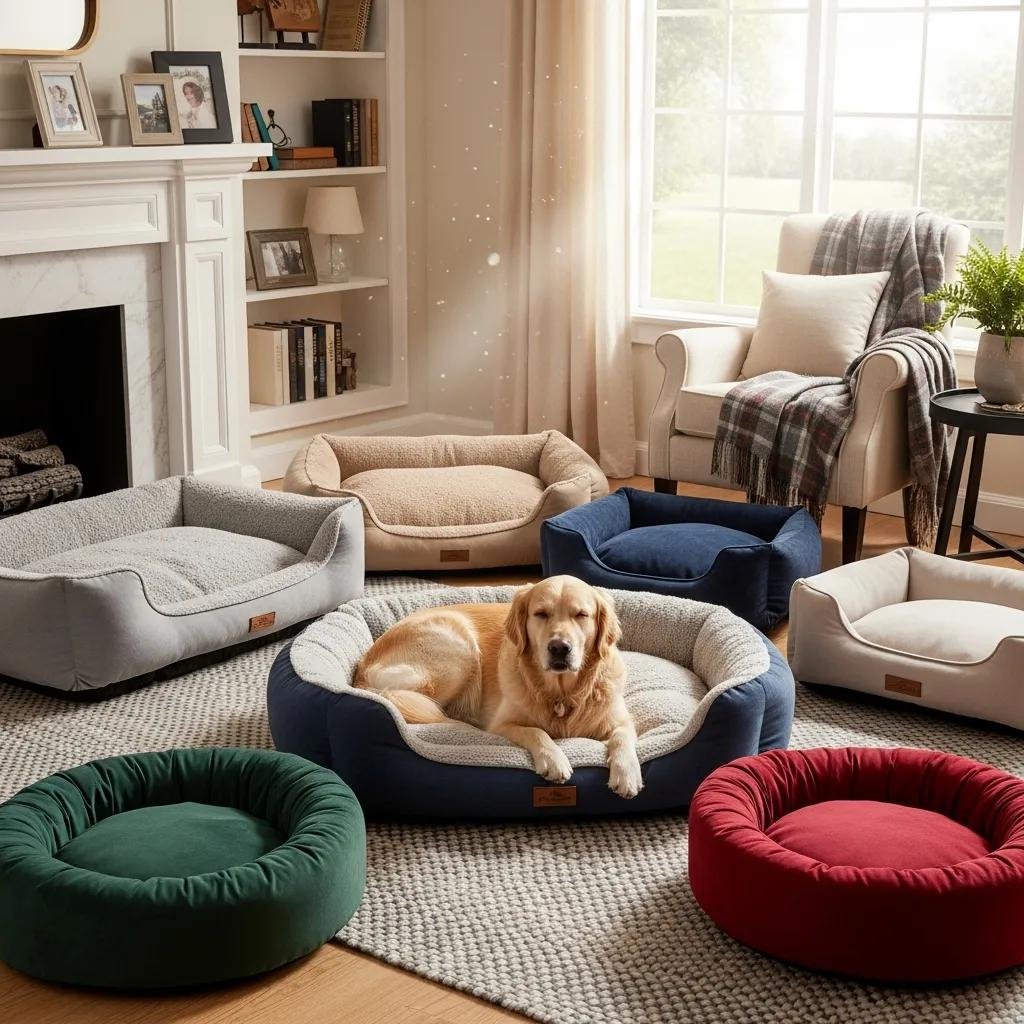
Ultimate Guide to Orthopedic & Memory Foam Dog Beds: How to Choose the Right Bed for Your Dog’s Comfort and Joint Health Leave a comment

The right dog bed does more than look nice — it helps protect joints, improves sleep, and supports daily mobility, especially for seniors and large breeds. This guide breaks down what orthopedic and memory foam beds do, how they relieve pressure and support your dog’s anatomy, and which materials, sizes, and features matter for different needs. You’ll get clear comparisons of bed types, a materials breakdown, step-by-step sizing tips for large or special-needs dogs, and practical care advice to extend a bed’s life. We also cover washable options, calming and elevated designs for anxiety and temperature control, and simple signs that mean it’s time to replace a bed. Along the way we use keywords like dog bed, orthopedic dog bed, memory foam dog bed, washable dog bed, and cooling dog bed in natural context so you can find the best match for your dog’s comfort and health. With these basics, you’ll be ready to choose a bed that reduces pain, improves rest, and helps your dog stay mobile longer.
What Are the Different Types of Dog Beds and Their Benefits?

Dog beds come in designs that solve different problems: orthopedic beds spread weight to ease joint pain; memory foam contours to reduce pressure points; elevated beds boost airflow for cooling and outdoor use; bolstered or donut beds create a cozy rim for curlers and anxious dogs; and waterproof or chew-resistant options extend lifespan. Core components — a support core, a contouring layer, a removable cover, a waterproof liner, and an anti-skid base — determine how well a bed performs for pressure relief, temperature control, and durability. Match bed shape and materials to your dog’s sleep habits and health needs to get the best result. The quick comparison below helps you link common needs to the right bed type.
This quick reference lists major bed types and short benefits to help you decide fast:
- Orthopedic Bed: Redistributes pressure and supports joints — ideal for senior or arthritic dogs.
- Memory Foam Bed: Contours to the body to relieve pressure — great for sprawlers and dogs with joint pain.
- Elevated/Cot Bed: Keeps dogs off the ground to boost airflow and stay cool outdoors.
- Bolster/Donut Bed: Raised sides for head support and a nesting feel — perfect for curlers and anxious dogs.
Use this list to match a behavioral or health need with a bed type. The table that follows maps each type to its key features and ideal users so you can compare options at a glance.
| Bed Type | Primary Feature | Best Use / Benefit |
|---|---|---|
| Orthopedic bed | High-density support core | Best for senior and arthritic dogs needing pressure redistribution and joint relief |
| Memory foam bed | Viscoelastic contouring layer | Great for dogs that sprawl and those with localized pressure points |
| Elevated/cot bed | Raised frame with breathable surface | Suited for hot climates and outdoor lounging to reduce ground heat transfer |
| Bolster/donut bed | Raised rim and nesting surface | Works well for curlers and anxious dogs that want head/neck support |
This table links design elements to comfort needs and highlights trade-offs so you can narrow choices quickly. Next we explain why orthopedic designs help seniors and how memory foam options differ.
How Do Orthopedic Dog Beds Support Senior and Arthritic Dogs?
Orthopedic beds combine a sturdy support core with pressure-relieving layers so weight spreads across a larger surface instead of concentrating on hips, shoulders, or elbows. Denser foams or layered constructions prevent painful pressure points, which can reduce restlessness and improve sleep quality — both important for recovery and daily energy. Practical signs an orthopedic bed is helping include less stiffness when your dog wakes and easier movement when standing up. Those observations also help you choose the right firmness and thickness for your pet.
With that foundation, it’s useful to look at how memory foam behaves and which variants suit different dogs best.
What Are the Features of Memory Foam Dog Beds and Who Are They Best For?
Memory foam uses viscoelastic materials that respond to heat and pressure to closely conform to a dog’s shape, easing localized pressure and improving contact comfort. Traditional memory foam contours deeply but can trap heat; gel-infused or ventilated memory foams add cooling to help dogs in warmer climates. These beds are especially useful for large breeds and dogs with hip dysplasia or targeted arthritis because they distribute weight and support spinal alignment. In hot conditions or for dogs who prefer a firmer, flat surface, a high-density support foam without heavy heat retention may work better. Look for beds that pair a soft memory layer with a firm support core to balance contouring and overall support.
Next, we’ll compare common materials so you can pick durability and comfort that fit your lifestyle.
Which Materials Are Best for Durable and Comfortable Dog Beds?
Material choice drives durability, comfort, washability, breathability, and sometimes sustainability. Memory foam delivers support and pressure relief but may retain heat; cotton breathes and feels soft but can wear faster; polyester-based covers offer stain resistance and easy cleaning. Match materials to use: outdoor beds need UV- and water-resistant fabrics, while indoor senior beds benefit from soft, breathable covers over dense foam cores. Material choices also affect care and lifespan — waterproof liners shield foam, removable covers simplify laundering, and anti-skid bases keep beds in place. The table below summarizes properties and recommended uses to guide your selection.
| Material | Properties | Pros / Cons / Best Use |
|---|---|---|
| Memory foam (including gel-infused) | Pressure relief, contouring, variable heat retention | Pros: excellent support for arthritis; gel reduces heat. Cons: heavier, may need waterproof liner. Best use: senior and large breeds indoors |
| Cotton/fleece covers | Breathable, soft, comfortable | Pros: comfortable and gentle on skin. Cons: less durable for chewers, can retain moisture. Best use: indoor, light-use beds |
| Polyester/nylon blends | Durable, stain-resistant, machine-washable | Pros: easy to clean and long-lasting. Cons: can trap heat and feel synthetic. Best use: active dogs, washable beds, outdoor fabric variants |
What Are the Advantages of Memory Foam, Cotton, and Polyester in Dog Beds?
Memory foam provides strong pressure relief and helps keep the spine aligned for dogs with joint issues, making it a top pick for arthritic or large breeds. Cotton and fleece give a breathable, soft surface many dogs enjoy, though natural fibers can wear faster under heavy use or chewing. Polyester and nylon blends are built for durability and stain resistance, stand up to frequent washing, and protect inner cores when paired with waterproof liners. Balancing support needs, cleaning frequency, and environmental exposure usually leads to choosing memory foam with a durable, washable cover for indoor, high-support situations.
How Do Eco-Friendly and Waterproof Materials Enhance Dog Bed Longevity?
Eco-friendly options — like recycled polyester fills or organic cotton covers — lower environmental impact but can be slightly less abrasion-resistant than industrial synthetics; strong construction and reinforced seams help close that gap. Waterproof liners and laminated barriers protect foam from moisture, urine, and drool, preventing mold and foam breakdown while allowing spot cleaning without soaking the core. For best longevity, combine a tough outer fabric, a removable washable cover, and an internal waterproof liner to shield structural components. Choose materials that match expected exposure (indoor vs outdoor, chewer vs light user) and follow maintenance routines to get the most life from a bed.
How to Choose the Best Dog Bed for Large Dogs and Specific Dog Needs?
Picking a bed for a large dog means focusing on size, foam thickness, seam strength, and base durability so the bed supports heavier weight without collapsing. Large breeds need both generous surface area and adequate depth: extra length prevents limb overhang, while thicker, high-density cores resist premature flattening. Check cover and zipper quality — reinforced seams and heavy-duty zippers last longer — and consider elevated or cot-style beds for dogs that spend time outdoors to reduce moisture and improve airflow. The table below links dog attributes to recommended features so you can choose a bed tailored to size, health, and sleep style.
| Dog Attribute (size/age/condition) | Requirement | Recommended Bed Features/Types |
|---|---|---|
| Large/giant breed | High load-bearing, large surface | Thick high-density foam or reinforced support core; oversized dimensions |
| Senior/arthritic | Pressure redistribution, easy entry | Orthopedic memory foam with moderate contouring and lower rim height for easy access |
| Anxious/curler | Nesting security | Bolster/donut bed with raised sides and a soft plush interior |
This decision table turns measurements and conditions into clear feature suggestions and leads into the sizing method below.
What Size and Features Should You Look for in Beds for Large Breeds?
Measure your dog from nose to tail while fully stretched, then add 6–12 inches for the ideal bed length; the width should let your dog change positions without limbs hanging off. For heavy dogs, aim for at least 3–4 inches of high-density support or a layered design with a contouring top and a firm base to avoid bottoming out. Reinforced seams, heavy-duty zippers, and a strong anti-skid base help the bed withstand weight and frequent use. For outdoor large-breed beds, choose water-resistant fabrics and removable covers for easier cleaning. These choices help the bed hold its shape longer and maintain support for your dog.
How Do Health Conditions and Sleeping Styles Influence Dog Bed Selection?
Conditions like hip dysplasia, elbow osteoarthritis, obesity, or post-surgical recovery call for beds that distribute pressure evenly and prioritize support to reduce pain and encourage restful sleep. Sleeping styles matter too: curlers often prefer donut beds, sprawlers benefit from flat memory foam that supports the whole spine, and burrowers like bolsters or partial covers to nest. For dogs with mobility issues, pick a lower rim height or an elevated bed with a gentle ramp for easier access. If your dog’s needs are complex or progressive, check with your veterinarian about combining an orthopedic bed with therapies like physical rehab to support mobility goals.
What Are the Key Features of Washable Dog Beds and How Do They Improve Hygiene?

Washable beds boost hygiene by separating the dirty surface from the support core with removable covers, machine-friendly fabrics, and waterproof liners. This setup cuts allergens, dust mites, and bacteria while preventing odors and protecting foam from damage. Durable zippers and reinforced seams let you launder covers regularly without harming the bed’s structure, and waterproof liners keep the foam dry so it won’t need full washing — which can damage support layers. Below are recommended washing rhythms and materials that handle frequent cleaning well.
Follow this baseline schedule and choose fabrics that tolerate repeat laundering:
- Baseline cleaning: Wash removable covers every two weeks for typical indoor dogs to remove hair, dander, and odors.
- Increased frequency: Wash weekly for dogs with allergies, heavy outdoor exposure, or skin issues to reduce irritants and pathogens.
- Spot-clean and protect: Use waterproof liners or covers for dogs prone to accidents or heavy drooling; wash liners monthly and covers as needed.
This routine balances hygiene and fabric longevity while protecting foam cores from repeated wetting. The next section highlights materials that stand up to frequent washing and offers simple stain-removal tips.
How Often Should You Wash a Dog Bed and What Materials Are Easiest to Clean?
Wash covers every two weeks for routine care, increase to weekly during allergy season or after outdoor adventures, and clean immediately after illness or soiling to avoid bacterial growth. Polyester and nylon blends with machine-washable covers are easiest to clean and dry quickly; memory foam cores should be spot-cleaned and air-dried thoroughly to prevent mildew. Use gentle detergents, avoid fabric softeners that can reduce water resistance, and make sure everything is fully dry before reassembling to prevent odors and foam damage. This approach keeps the sleeping surface sanitary and preserves the bed’s structure.
Ease of cleaning and material durability are key when keeping your dog’s bed hygienic and long-lasting.
Polyurethane Foam Mattresses: Thermal Performance and Sleep Quality
Sleep plays a central role in physical and mental recovery, and poor rest links to neurological and cardiovascular issues [1,2]. Understanding how mattresses — and by extension foam materials — affect sleep and thermoregulation matters because thermal comfort influences rest and musculoskeletal health [1]. Inadequate support can worsen chronic pain, while the use of phase change materials (PCMs) can improve thermoregulation and sleep quality [2]. The mattress’s thermal environment is a key factor in comfort and risk of discomfort or injury [3].
Experimental investigation on thermal performance of polyurethane foam mattresses with PCM, M Raja, 2025
What Are the Benefits of Removable Covers and Machine-Washable Fabrics?
Removable covers shield the support core from dirt, moisture, and oils, extending the life of memory foam and other fillings by keeping contaminants away. Machine-washable fabrics make keeping the bed fresh easy, cutting allergens and odors with minimal effort. Look for durable zippers, double-stitched seams, and the option to buy replacement covers — covers typically wear faster than cores, and replacements extend product life. Choosing a bed with a high-quality removable cover is one of the simplest ways to combine hygiene, convenience, and longevity, especially for active or heavy-shedding dogs.
How Do Calming and Elevated Dog Beds Help with Anxiety and Temperature Regulation?
Calming (donut/bolster) beds and elevated/cot-style beds address two common needs: reducing anxiety with a den-like design and managing temperature with improved airflow. Calming beds use raised bolsters, soft interiors, and circular shapes to create a nesting effect that can lower stress in anxious dogs by mimicking a secure den. Elevated beds lift dogs off the floor to allow air to circulate underneath, reducing heat transfer from warm surfaces and improving comfort in hot or outdoor environments. Materials differ by purpose — plush linings for calming beds and breathable mesh or slatted surfaces for elevated beds — and each design has trade-offs depending on your dog’s sleep style.
What Makes a Dog Bed Calming and Suitable for Anxious Dogs?
Calming beds give a sense of enclosure and tactile comfort through raised sides and plush fabrics, which resemble closeness to littermates or a den and can help some dogs settle faster and sleep more deeply. The tactile pressure and partial enclosure provide reassurance; introducing the bed with familiar scents and positive reinforcement helps acceptance. These beds suit dogs that like to rest their heads on raised edges or lean against walls, but they may not work well for dogs that sprawl because bolsters can limit full-body support. For anxious pets, pair a calming bed with steady routines and gradual desensitization for best results.
How Do Elevated and Cooling Beds Promote Comfort in Hot or Outdoor Environments?
Elevated beds cool by letting air flow under and around the dog, reducing heat transfer from the ground and boosting convective cooling — useful for thick-coated or brachycephalic breeds that overheat easily. Cooling technologies like gel-infused foam and ventilated surfaces draw heat away or increase airflow to help dissipate body heat. For outdoor use, pick weather-resistant fabrics and sturdy frames that avoid sagging; for indoor cooling, gel-infused or ventilated memory foam can offer temperature relief while still contouring. Knowing these trade-offs helps you balance support and temperature control for your dog’s environment.
When Should You Replace Your Dog Bed and How to Maintain It for Longevity?
Replace a bed when it no longer supports your dog, shows persistent odors or stains that won’t come out, or has physical damage like rips that expose foam — these signs show the bed’s structure has failed and can harm sleep and joint health. Regular care — vacuuming, washing covers on schedule, rotating the bed to spread wear, and using protective liners — slows degradation and preserves support. Replacement timing varies: heavy-use memory foam beds for large dogs may need replacing every 1–2 years, while well-maintained beds with durable cores can last longer. Focus on compression and support rather than only elapsed time to decide when to replace a bed.
What Are the Signs That Indicate It’s Time to Replace a Dog Bed?
Replace the bed if foam has compressed so your dog’s spine or hips no longer sit level, odors persist after cleaning, fillings are exposed, zippers are broken, or tears create hazards. Behavioral signals — more restlessness, difficulty rising, or avoidance of a once-favored bed — also point to reduced comfort. If moisture reaches the core and drying is inconsistent, mold and odor risks rise, which means replacement is safer. Spotting these signs early prevents ongoing discomfort and supports joint health and sleep quality.
What Are Best Practices for Dog Bed Care and Maintenance?
Good care includes regular vacuuming to remove hair and dander, washing removable covers per the recommended cadence, thoroughly air-drying foam after spot cleaning, and rotating the bed to even wear. Use waterproof liners for puppies, incontinent, or drooling dogs to protect foam, and inspect seams and zippers to repair small issues before they worsen. Store spare beds or foam cores in a dry, ventilated spot when not in use and replace covers instead of the whole bed when possible. These steps preserve hygiene and support, cut replacement frequency, and help your dog keep benefiting from an appropriate sleeping surface.
Frequently Asked Questions
1. How can I determine the right size dog bed for my pet?
Measure your dog from nose to tail while fully stretched, then add 6–12 inches to allow movement. Consider sleeping style: sprawlers need extra width, curlers may prefer a smaller bolstered bed. Always check manufacturer size charts for the best fit.
2. Are there specific dog breeds that benefit more from orthopedic beds?
Yes. Larger breeds and older dogs — like Labrador Retrievers, German Shepherds, and Bulldogs — often benefit from orthopedic support. These beds help relieve pressure points and improve sleep for conditions such as arthritis and hip dysplasia.
3. What maintenance is required for memory foam dog beds?
Vacuum regularly to remove hair and dander, wash removable covers as directed (about every two weeks for average use), spot-clean foam when necessary, and air-dry foam completely to prevent mildew. A waterproof liner protects the foam and simplifies care.
4. Can I use a dog bed outdoors, and what features should I look for?
Yes. For outdoor use, choose water-resistant materials, UV protection, and an elevated or sturdy design to keep your dog off damp ground. Look for easy-clean fabrics and durable construction to handle the elements.
5. How do I introduce a new dog bed to my pet?
Place the new bed in a familiar resting spot and encourage exploration with treats or a favorite toy. Adding a blanket with your dog’s scent helps. Be patient — some dogs take time to accept a new surface.
6. What are the signs that my dog bed is no longer effective?
Visible wear like rips or exposed foam, persistent smells after cleaning, and flattened areas where your dog rests are signs the bed no longer supports properly. Behavioral changes, such as restlessness or reluctance to use the bed, also indicate it’s time for a replacement.
7. Are there eco-friendly options for dog beds?
Yes. Many brands offer beds made from recycled polyester, organic cotton, or other sustainable materials. Look for verified certifications and make sure the bed still meets durability and cleaning needs for your dog.
Conclusion
Choosing the right orthopedic or memory foam dog bed can make a real difference in your dog’s comfort, joint health, and sleep. By understanding bed types, materials, and key features — and by keeping up with proper care and timely replacement — you can pick a bed that meets your dog’s specific needs. Regular maintenance preserves support and extends lifespan. Browse our selection of premium dog beds to find the best fit for your furry companion.
1
